


GaN Charger Disadvantages: Cost, Heat, and Compatibility
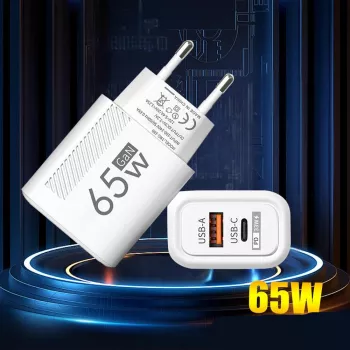
What are the disadvantages of a GaN charger?
GaN (gallium nitride) chargers are popular because they can deliver high wattage in a compact size, but they’re not perfect. The main disadvantages typically come down to cost, heat behavior in smaller housings, real-world performance differences between brands, and compatibility quirks with certain devices and cables.
Higher price than basic silicon chargers
GaN models often cost more than comparable silicon-based chargers, especially when you’re buying reputable brands with strong safety testing and warranties. If you only need a low-watt charger for a single phone, the premium may not feel justified.
Heat can feel more noticeable
Although GaN is efficient, small chargers have less surface area to dissipate heat. Under heavy loads (like charging a laptop at 65W), a compact GaN block can feel quite warm, particularly in hot rooms or when used in tight spaces. Warmth is normal, but excessive heat can indicate poor design or ventilation.
Quality varies a lot between manufacturers
“GaN” doesn’t automatically mean better. Two chargers can both advertise GaN and still differ widely in internal components, thermal design, and protections (over-current, over-voltage, short-circuit). Lower-quality units may throttle power, run hotter, or have a shorter lifespan.
Multi-port power sharing can be confusing
Many GaN chargers include two or more ports, but the total wattage is shared. Plugging in a second device can reduce power to the first, which may slow charging or stop fast-charging modes. This isn’t a flaw unique to GaN, but it’s common in compact high-watt models and catches people off guard.
Not all cables and devices negotiate power the same way
Fast charging depends on USB-C Power Delivery (PD) or other protocols, plus a cable rated for the needed wattage. Using an older cable, a USB-A port, or a device that doesn’t support the charger’s profiles can limit speeds. For a deeper look at wattage, PD, and what to expect from a 65W model, see this 65W GaN USB-C charger guide.
FAQ
Is a GaN charger safe to leave plugged in?
Yes, a well-made GaN charger with proper certifications and protections is designed to stay plugged in. If it becomes unusually hot at idle, makes noise, or shows damage, unplug it and replace it.













Leave a comment