


Dog Car Seat Covers: Cleaner Seats & Safer, Comfy Rides
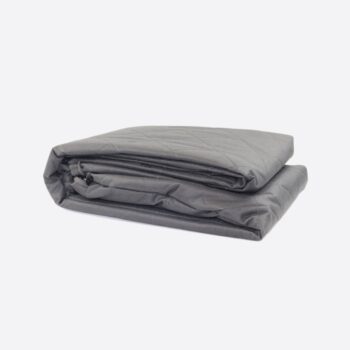
Dog Car Seat Cover: Keep Seats Clean, Rides Comfortable, and Dogs Safer
A reliable car seat cover protects upholstery from dirt, hair, moisture, and claw marks while giving dogs a more stable, comfortable surface during trips. The right design also helps reduce slipping and limits mess spreading across the cabin—especially after the park, the beach, or a rainy walk.
What a car seat cover solves (and what it doesn’t)
A good cover does more than “hide” dog hair. It creates a barrier between your dog and the surfaces that are hardest to clean, while improving footing so your dog isn’t constantly bracing during turns.
- Protects fabric or leather from shedding, muddy paws, drool, and snack crumbs.
- Helps contain moisture from rain, snow, or post-park splashes; reduces odor absorption.
- Adds grip so dogs slide less during turns and braking (not a replacement for a crash-tested harness or crate).
- Prevents scratches on seat backs and door panels when paired with side flaps.
- Doesn’t fully stop motion sickness, anxiety, or unsafe roaming—pair with training and proper restraints.
For travel safety guidance beyond seat protection, review recommendations from the CDC and the AVMA.
Common styles and which trips they fit best
The best style depends on your vehicle layout, how many passengers you carry, and whether your dog tries to climb into the front seat.
- Bench cover (back seat): full-width coverage for families and multi-dog rides.
- Hammock cover: forms a sling between front and back headrests to block the footwell and reduce forward slipping.
- Cargo liner (SUV/trunk): best for large dogs and open cargo areas; look for bumper flap coverage.
- Front seat cover: for single-dog travel; prioritize airbag-safe design where applicable.
- Split designs: allow a passenger to share the back seat while keeping the dog area protected.
Quick comparison of seat cover styles
| Style | Best for | Main advantage | Watch-outs |
|---|---|---|---|
| Bench | Everyday errands, multiple passengers | Simple full-seat protection | Dog may step into footwell unless sides are tall |
| Hammock | City driving, dogs that move around | Blocks footwell; reduces sliding forward | Some dogs prefer more open space; check front-seat access |
| Cargo liner | SUVs, larger breeds | Big area coverage; easier loading | Measure cargo space and seat-back height carefully |
| Front seat | Solo dog trips | Keeps dog close while protecting seat | Ensure safe restraint; avoid interfering with airbags |
| Split cover | One passenger + one dog | Flexible seating options | May leave small gaps if the fit is off |
Materials and build details that matter
Two covers can look similar online but perform very differently once a wet dog shakes off in the back seat. Focus on construction details that stop leaks and keep the cover from bunching up.
- Water resistance vs. waterproofing: sealed layers and stitched seams help prevent soak-through.
- Durable face fabric: tougher weaves resist tearing and claw wear over time.
- Non-slip backing: reduces shifting; confirm it won’t mark delicate leather surfaces.
- Side flaps and door protection: helpful for scratch-prone dogs and tight parking spaces.
- Stitching and stress points: reinforced corners and strap anchors last longer with frequent use.
- Hardware and straps: adjustable headrest straps and solid buckles make installation stable and fast.
Sizing and fit: measuring before buying
Fit is what keeps protection consistent. If a cover is too small, it curls and exposes the seat edge. If it’s too large, it can wrinkle and invite slipping.
- Measure back-seat width (door to door) and depth (seat crease to edge) to avoid curling or gaps.
- Check headrest placement and whether headrests are removable; confirm strap routing.
- For hammocks, measure the distance between front and rear headrests to keep the panel taut.
- If using child seats, look for compatibility with seat-belt paths and LATCH anchors (and verify that the cover doesn’t compromise car seat installation).
- For SUVs, measure cargo width and length with seats up and down; decide if a bumper flap is needed.
Install it so it stays put
A cover that shifts around defeats the point. A stable install also helps your dog feel more confident stepping in and turning around.
- Start with a clean seat so anti-slip layers grip properly.
- Attach headrest straps snugly; keep buckles positioned where they won’t press into passengers.
- Tuck in seat anchors (if included) deep into the seat crease for stability.
- If the cover has side flaps, secure them before letting the dog jump in.
- Pair with a dog seat belt tether or crash-tested harness for safer braking and turns.
For a deeper look at restraint performance and crash-testing considerations, see guidance from the IIHS.
Cleaning and maintenance for long-term use
Safety notes for traveling with dogs
A simple option for everyday seat protection
See current details and availability: Dog Car Seat Cover.
For road trips, staying powered up can also help with navigation and hands-free calling. Consider keeping a compact charging option in the console, such as the 66W 5A Fast Charging Spring Retractable USB Type C Cable – For Car & On-the-Go or the 100W USB-C to USB-C Fast Charging Cable with PD 3.0 & QC 4.0 – 5A Power.
FAQ
Is a seat cover enough to keep a dog safe in the car?
No. A seat cover mainly protects upholstery and improves footing; for safety in sudden stops, pair it with a crash-tested harness, a secured crate, or a travel carrier when possible.
Will a seat cover work on leather seats?
Many covers work well on leather, but non-slip backings vary. Clean the leather first, check for potential color transfer, and avoid leaving moisture trapped under the cover for long periods.
How do seat anchors and headrest straps prevent sliding?
Seat anchors wedge into the seat crease to resist forward movement, while headrest straps hold the top edge in place. Together they keep the cover taut during turns and braking so it’s less likely to bunch up.












Leave a comment