


Aroma Diffusers and Lungs: Benefits, Risks, Safer Use
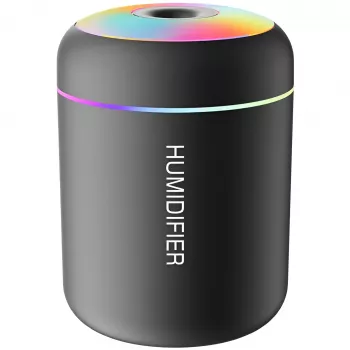
Is aroma diffuser good for lungs?
An aroma diffuser can feel “good for the lungs” for some people in certain situations, but it isn’t automatically lung-healthy for everyone. What matters most is what you’re diffusing (water only vs. essential oils), how strong the scent is, room ventilation, and individual sensitivity (asthma, allergies, chronic lung conditions, and children tend to be more reactive).
When a diffuser may feel helpful
If a diffuser is used mainly as a light humidifier with clean water, it can add a small amount of moisture to dry indoor air. For some people, slightly higher humidity may reduce throat and nasal dryness, making breathing feel more comfortable—especially in air-conditioned rooms or during colder months.
Some users also find certain aromas relaxing, which can indirectly make breathing feel easier during stress. This is more about comfort and perception than improving lung function.
When a diffuser can irritate lungs
Essential oils release volatile compounds into the air. Even when they smell pleasant, these compounds can irritate the airways in sensitive individuals. Common signs include coughing, throat scratchiness, headaches, or worsened congestion. People with asthma or COPD may be more likely to notice symptoms, particularly with strong concentrations or prolonged use.
Another concern is air quality: running a diffuser in a poorly ventilated room, using too much oil, or letting the device get dirty can increase irritation. Standing water and residue can allow microbes to grow if the tank isn’t cleaned regularly, which is the opposite of what lungs need.
Safer ways to use an aroma diffuser
- Use less oil: Start with the minimum drops recommended for your device and stop if any irritation occurs.
- Diffuse intermittently: Short sessions are often better than running it all day or overnight.
- Ventilate: Keep airflow moving—crack a window or use a fan.
- Keep it clean: Empty leftover water, wipe the tank, and clean buildup to reduce microbial growth.
- Avoid around high-risk groups: Extra caution is wise for babies, older adults, and anyone with respiratory disease.
For practical tips on how a compact diffuser/humidifier works and how to use it comfortably, see the guide here: https://stylessa.com/blog/guide-mini-usb-aroma-humidifier-oil-diffuser-soft-led/.
FAQ
Can a diffuser help with a stuffy nose at night?
It can help if dryness is part of the problem, especially when used with water-only mist and good cleaning habits. If scents trigger congestion or coughing, skip essential oils and focus on comfortable humidity and ventilation.












Leave a comment