


Rechargeable Electric Toothbrush Set (4 Heads) for Daily Clean
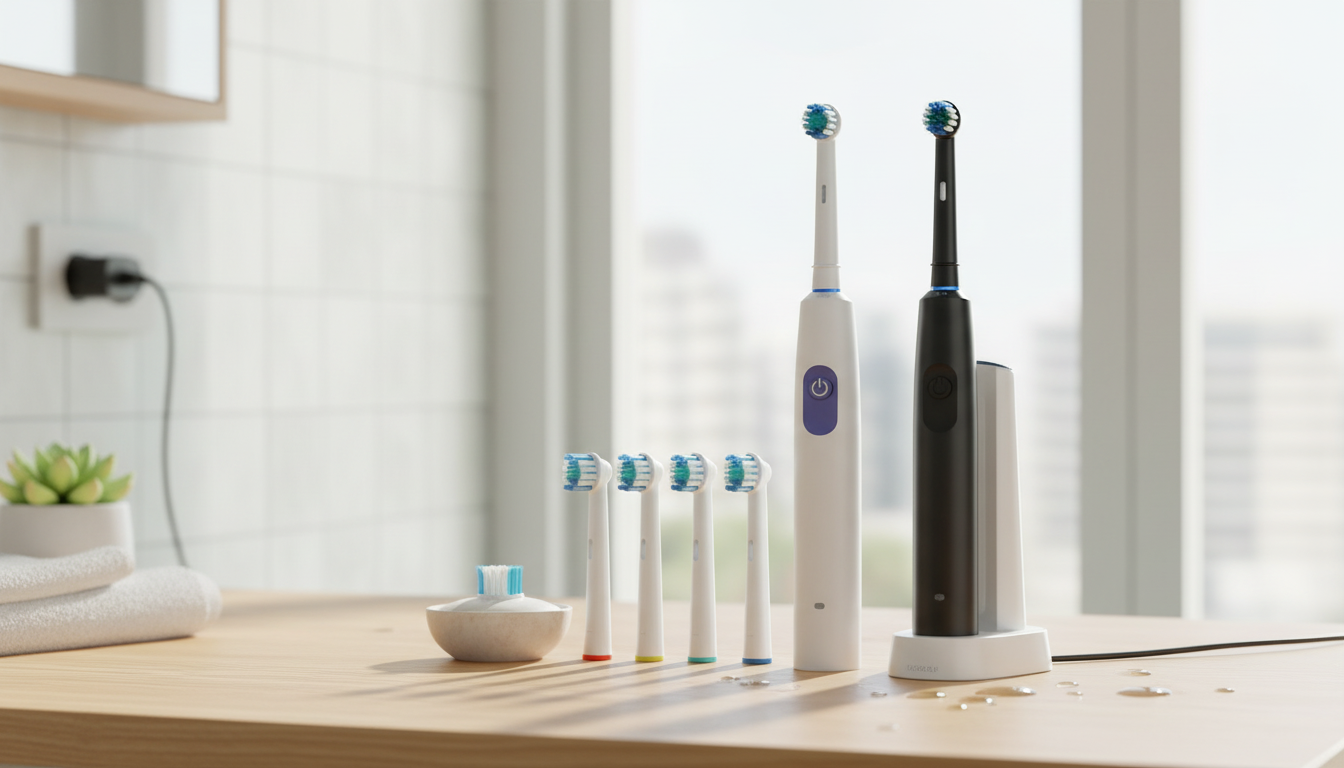
Rechargeable Electric Toothbrush with 4 Brush Heads: Everyday Clean, Simple Setup
A rechargeable electric toothbrush can make daily brushing feel more consistent by delivering steady brush motion and a routine-friendly experience. This set includes four replaceable brush heads, which helps keep a fresh head ready for everyday use, travel, or sharing one handle within a household (with separate heads for each person).
If you’re looking for a practical upgrade that’s easy to keep on the bathroom counter—and easy to pack—this Rechargeable Electric Toothbrush with 4 Brush Heads is a straightforward option at a budget-friendly price point.
What comes in the box
This type of set is designed to cover the basics without extra complexity, so you can get started quickly and keep replacement heads on hand.
- Rechargeable electric toothbrush handle
- 4 replaceable brush heads for ongoing use
- Charging method: rechargeable design (confirm the included charger/cable on the product page when ordering)
- Suitable for daily home routines and simple travel kits
If you like keeping extra charging options in your bag or car, these in-stock accessories may be helpful for general on-the-go charging needs (always match the connector type and device requirements): 100W USB-C to USB-C Fast Charging Cable and 66W retractable USB-C cable for on-the-go charging.
Why a rechargeable handle can be easier than disposable batteries
For many households, the biggest benefit of a rechargeable handle is that it removes the “dead battery surprise” from a daily routine. Instead of gradually weaker power, you typically get more consistent performance between charges.
- More consistent power output compared with disposable batteries that weaken over time
- Less frequent battery purchases and fewer battery disposal concerns
- Convenient for routines: charge, store, and use daily without opening the handle
- Often travel-friendly since there’s no need to pack extra batteries
For general brushing guidance and what to look for in toothbrushes, the American Dental Association (ADA) offers practical recommendations. Research summaries, like the Cochrane Review on powered toothbrushes, also discuss how powered brushing can reduce plaque and gingivitis for many users when used correctly and consistently.
How to use it for a thorough 2-minute routine
A powered toothbrush can do a lot of the “movement” for you, but the results still depend on coverage and gentle technique. Aim for a full two minutes and move methodically so every surface gets attention.
- Wet the bristles, add a pea-sized amount of fluoride toothpaste, and place the brush on teeth before turning it on to reduce splatter.
- Guide the brush slowly along the gumline: outside surfaces, inside surfaces, then chewing surfaces.
- Spend about 30 seconds per quadrant (upper right, upper left, lower right, lower left).
- Use light pressure—let the brush motion do the work to avoid gum irritation.
- Rinse the brush head after use and store it upright to air-dry.
Quick routine checklist
| Step | What to do | Why it matters |
|---|---|---|
| Start | Place brush on teeth, then turn on | Helps prevent toothpaste splatter |
| Gumline | Glide slowly at the gumline with light pressure | Improves plaque removal while protecting gums |
| Quadrants | 30 seconds per quadrant | Encourages full-mouth coverage |
| Finish | Rinse head and air-dry upright | Helps keep bristles cleaner between uses |
Brush heads: when to replace and how to keep them fresh
Having four heads included makes it easier to stay on schedule. Fresh bristles clean better and feel more comfortable—especially along the gumline.
- Replace a brush head about every 3 months, or sooner if bristles fray.
- Replace after illness (or once recovered) to reduce re-exposure concerns.
- Rinse thoroughly after each use and shake off excess water.
- Avoid closed containers while the head is wet; airflow helps reduce odor and residue buildup.
- If multiple people use the same handle, each person should have a separate head and store heads so they don’t touch.
Good daily oral hygiene goes beyond the brush, of course, and the CDC oral health basics highlight habits that support healthy teeth and gums over time.
Who this set fits best
This kind of bundle works well when convenience matters as much as the clean feeling—especially when it reduces “one more thing to remember” in the morning and at night.
- Households that want extra replacement heads on hand
- Students, travelers, or busy schedules that benefit from simple charging routines
- Anyone upgrading from a manual brush who wants consistent daily brushing support
- Value-focused shoppers looking for a complete set with multiple heads included
Care and charging tips for longer life
A little maintenance helps keep performance steady and keeps your setup looking cleaner on the counter.
- Keep the handle dry between uses; wipe down if toothpaste residue builds up.
- Avoid submerging charging components (follow any included care instructions).
- If performance drops, fully recharge and clean the head/handle connection area.
- Store at room temperature; extreme heat can shorten battery lifespan.
- For travel, protect bristles with a ventilated cover rather than sealing a wet head.
Price, availability, and what to check before ordering
To see current details, visit the Rechargeable Electric Toothbrush with 4 Brush Heads product page.
FAQ
How often should brush heads be replaced?
Common guidance is about every 3 months, or sooner if you notice fraying, splaying, or a loss of firmness. It’s also smart to replace a head after you’ve been sick (or once you’ve recovered) for hygiene reasons.
Can multiple people share one electric toothbrush handle?
Yes—multiple people can share one handle as long as each person uses their own brush head. Store the heads separately so they don’t touch, and rinse and air-dry them well between uses.
Is an electric toothbrush better than a manual toothbrush?
For many people, powered toothbrushes can reduce plaque and gingivitis compared with manual brushing, especially when used consistently and with good technique. The most important factors are brushing for two minutes, covering every surface, and using gentle pressure.













Leave a comment