


Luxury Self-Cleaning Litter Box: Odor Control & Safety
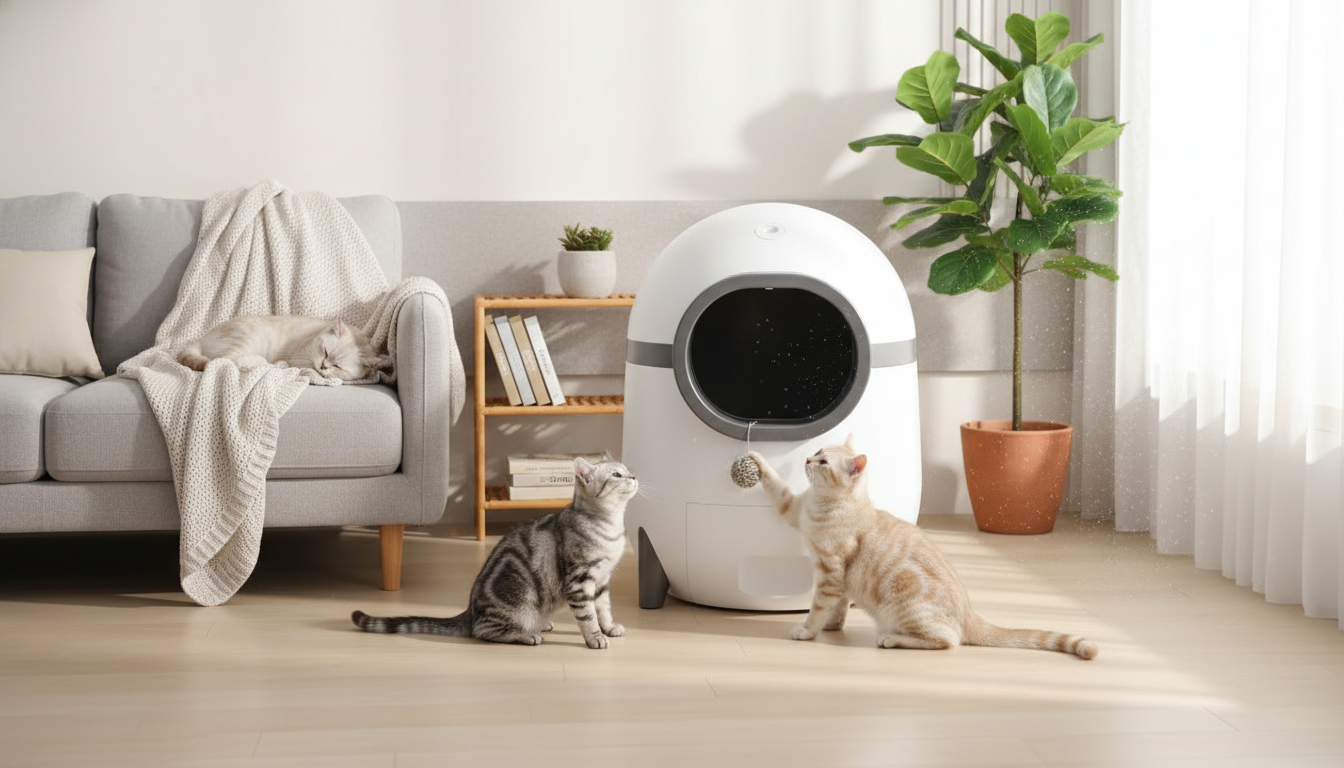
Luxury Automatic Self-Cleaning Cat Litter Box: Cleaner Homes, Happier Cats
A premium self-cleaning litter box can reduce daily scooping, improve odor control, and keep litter areas more hygienic—especially in busy households or multi-cat homes. The best “set-it-and-forget-it” experience comes from a smart blend of quiet operation, dependable sensors, sealed waste storage, and a cat-friendly design that makes the box feel familiar. Below are the features that separate truly luxury models from basic automatic options, plus setup and maintenance habits that help cats adjust smoothly.
What Makes a Self-Cleaning Litter Box Feel “Luxury”
- Comfort-forward design: A roomy entry, stable base, and smooth interior surfaces make the box more inviting and easier to wipe down.
- Quiet, consistent cleaning cycles: A gentle mechanism and predictable movement help prevent stress for noise-sensitive cats.
- Strong odor control: Sealed waste storage, carbon filtration (when included), and low-leak bins keep ammonia smells contained.
- Safety features: Look for motion detection, weight sensing, anti-pinch gaps, and automatic pause when a cat approaches.
- Premium look and materials: Better finishes and a “home decor” footprint matter when the box sits in a visible area.
How Automatic Cleaning Works (and Why It Matters)
Most automatic litter boxes follow a similar sequence designed to keep the litter bed clean without startling your cat mid-use.
- Exit detection + delay: Sensors detect when a cat leaves, then start a timed delay so cleaning begins only after the cat is away.
- Separation mechanism: A sifting/raking system or rotating chamber separates clumps from clean litter and drops waste into a covered bin.
- Covered waste storage: A sealed bin reduces odor, limits humidity exposure, and helps keep waste away from paws.
- Adjustable timing helps acceptance: Longer delays can be more comfortable for anxious cats and for households with “curious observers” who like to re-check the box.
If you’re troubleshooting odor or messy litter, the “how” matters: weak clumps, incorrect fill level, or a bin that doesn’t seat tightly can reduce the benefits of automation even in an otherwise well-designed unit.
Quick Specs Snapshot
Use this at-a-glance table to confirm practical details before purchase: price, stock, and where to find the product page.
| Product | Price | Availability | Link |
|---|---|---|---|
| Luxury Automatic Self-Cleaning Cat Litter Box | $631.89 | In stock | View product |
Choosing the Right Fit for Your Cat and Home
- Size and entry height: Larger cats need turning room; seniors often prefer easier step-in access and a stable platform.
- Multi-cat readiness: More cats means more cycles and more waste—choose reliable detection and a bin that won’t fill too quickly.
- Litter compatibility: Many systems work best with clumping litter that forms firm clumps. Granule size can affect how cleanly litter sifts.
- Noise and vibration: Even if a box is “quiet,” the frequency of cycles can matter. A calmer location and longer delay can make a big difference.
- Placement: Choose a low-traffic spot with a nearby outlet and enough clearance to remove the waste bin and wipe down surrounding surfaces.
For general litter box best practices (including placement and common behavior issues), authoritative guidance from organizations like the International Cat Care and the ASPCA can help fine-tune your setup.
Setup and Transition Tips That Reduce “Litter Box Drama”
- Start powered off: Let the unit act like a normal box for a few days so your cat builds trust before any movement happens.
- Preserve scent cues: Mix a small amount of current litter into the new litter so the box smells familiar.
- Keep at least one familiar option: Avoid deep-cleaning every box at once during the transition—give your cat a stress-free fallback.
- Introduce motion with a longer delay: Once your cat uses it reliably, enable cleaning cycles with extra delay so movement starts well after exit.
- Reward curiosity, don’t force it: Calm praise, treats, or play near the box can help; placing a cat inside can backfire.
If your cat suddenly avoids any litter box (automatic or traditional), it can sometimes signal discomfort or illness. For broader cat care guidance, the American Veterinary Medical Association (AVMA) offers helpful pet-owner resources.
Cleaning, Odor Control, and Maintenance Routine
For households that want extra help managing room freshness, a small humidifier can improve comfort in dry seasons, but avoid essential oils around cats. If you want a compact option that can be used as a plain humidifier (without oils), consider the Mini USB Aroma Humidifier & Essential Oil Diffuser with Soft LED Light—used responsibly, with pet safety as the priority.
Safety and Peace of Mind
Featured In-Stock Picks
- Luxury Automatic Self-Cleaning Cat Litter Box — A premium option for reducing daily scooping while keeping waste contained in a covered bin.
- Mini USB Aroma Humidifier & Essential Oil Diffuser with Soft LED Light — Useful as a small humidifier in the litter area room (skip essential oils for cat safety).
FAQ
How often does the waste bin need to be emptied?
It depends on how many cats you have, the bin’s capacity, and how large the clumps are. Many single-cat homes empty every few days, while multi-cat homes may need more frequent emptying; check daily at first to learn your household’s pattern.
Will a cat be scared of an automatic cleaning cycle?
Some cats are sensitive to noise or movement. A gradual transition helps: run the box powered off at first, then enable cleaning with a longer delay after your cat exits, and keep the unit in a calm, low-traffic location.
What litter works best with self-cleaning litter boxes?
Most self-cleaning mechanisms perform best with clumping litter that forms firm, cohesive clumps. Avoid overly dusty or non-clumping litter unless your specific model supports it, and consider that very large or very fine granules can affect sifting efficiency.











Leave a comment