


Long-Sleeve Grizzly Bear T-Shirt: Fit, Fabric & Care
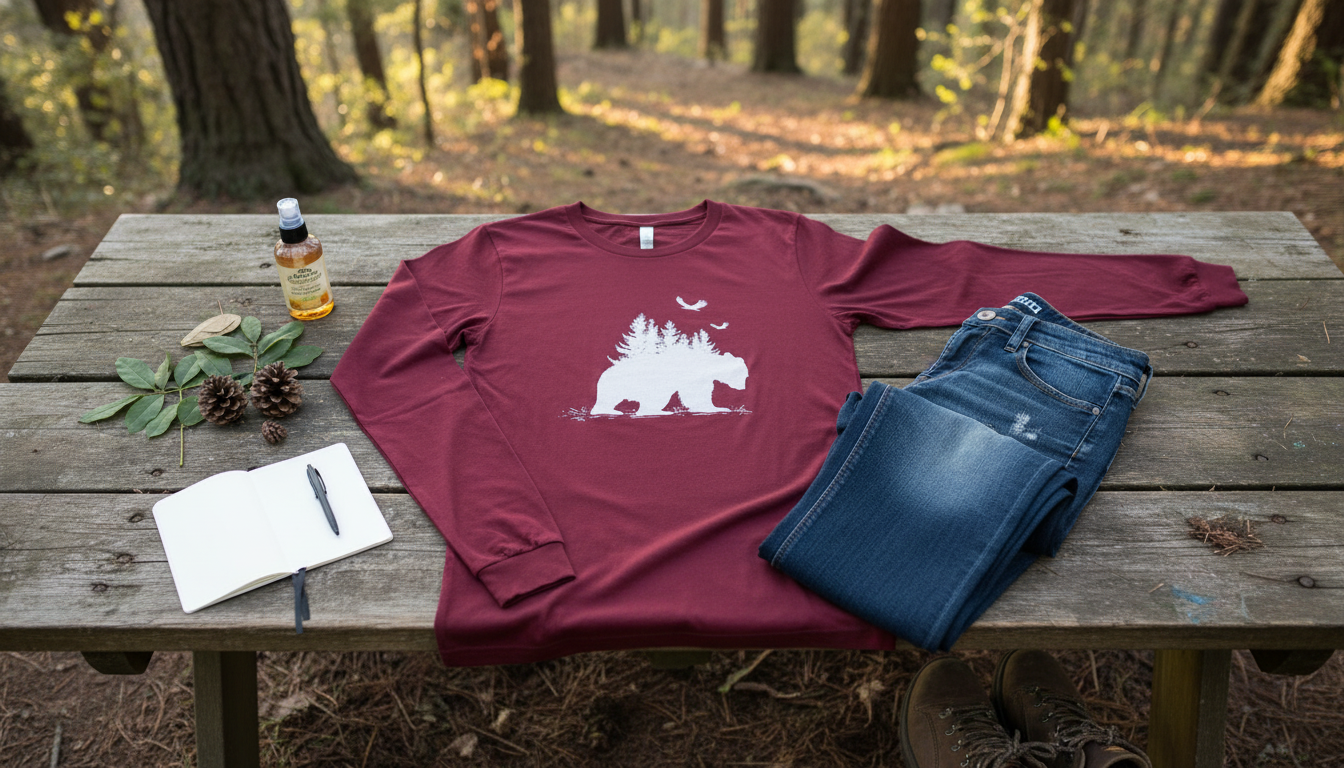
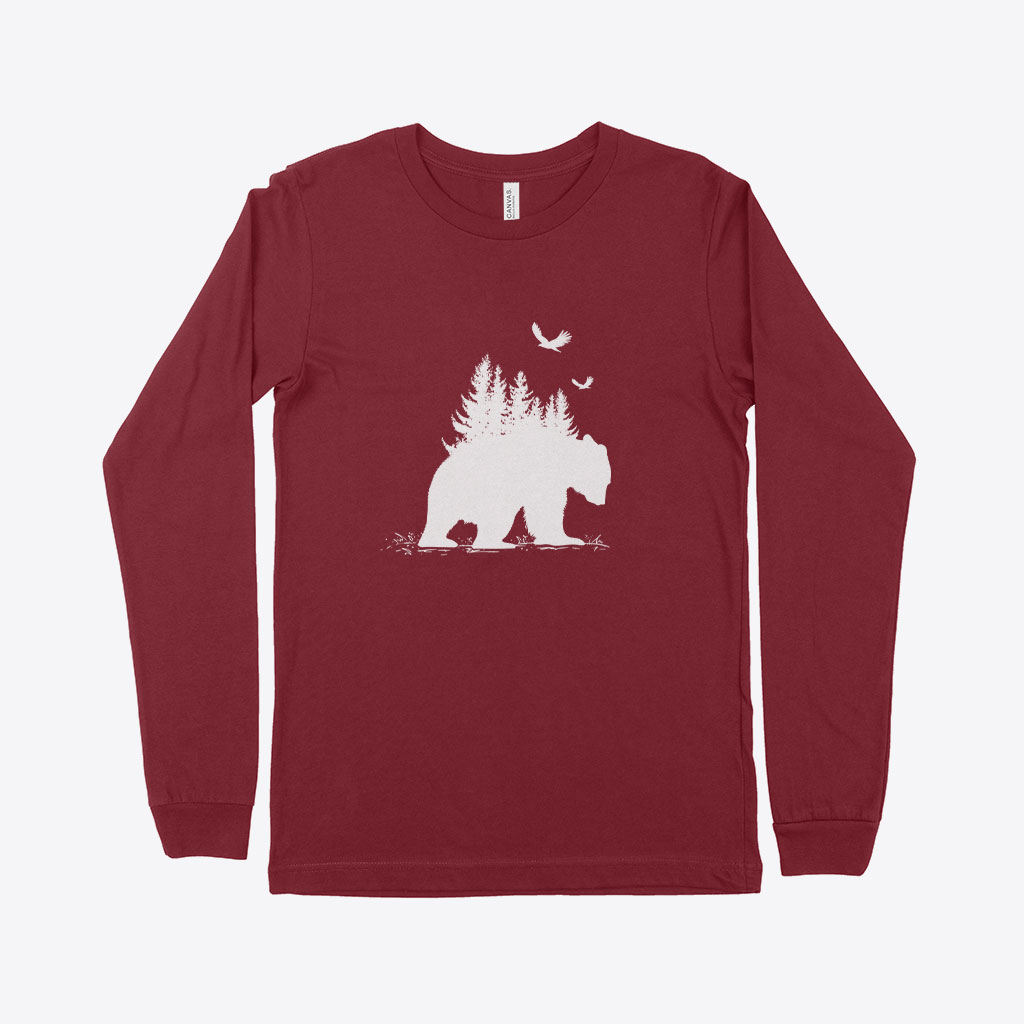
Long Sleeve Grizzly Bear T-Shirt: Comfort, Character, and Year-Round Wear
A long-sleeve tee with a grizzly bear graphic balances everyday comfort with an outdoorsy statement. Whether the artwork leans rugged, vintage, or clean and minimalist, this kind of shirt can anchor an outfit without trying too hard. The key is choosing a tee that feels good on the skin, fits the way you like to layer, and keeps the graphic looking sharp after repeat washes.
What Makes a Grizzly Bear Long-Sleeve Tee Stand Out
A grizzly bear graphic has a built-in sense of place: mountains, forests, road trips, and that classic “weekend outside” energy. The best long-sleeve versions add utility without crossing into heavy sweatshirt territory.
- Graphic presence: Bold wildlife art can read rugged, vintage, or minimalist depending on linework and the color palette.
- Season-spanning utility: Long sleeves add warmth and sun coverage without the bulk of a hoodie.
- Easy layering: It slides under flannels, denim jackets, and puffer vests—or it can sit over a base tee for extra comfort.
- Style range: It pairs as well with hiking gear as it does with casual streetwear staples like straight-leg jeans and canvas sneakers.
How to Choose the Right One
A great grizzly bear long-sleeve tee is a mix of fabric choice, fit, and small construction details that only become obvious after a few wears. If you’re comparing options, focus on how and where you’ll wear it most often.
Fabric weight and feel
- Lightweight: Better for mild weather, indoor wear, and layering under jackets without feeling bulky.
- Midweight: Better for crisp days and that cozy “substantial tee” feel; it can feel warm indoors.
- Hand feel: Look for softness and minimal scratchiness—especially at the cuffs and neckline where friction is constant.
Material blend
- 100% cotton: Typically breathable with a classic, natural feel.
- Cotton blends: Often reduce wrinkles and can hold shape better over time, especially with frequent washing.
Fit, sleeves, and neckline
- Fit preference: Regular fits are easy for layering, relaxed fits drape more casually, and fitted cuts look cleaner under jackets.
- Sleeve and cuff details: Ribbed cuffs stay put and look tidy; looser cuffs feel laid-back but may ride up.
- Neckline: A crewneck is classic—sturdy ribbing matters because it helps the collar keep its shape wash after wash.
Graphic method and color choice
- Screen print: Common and durable when cared for well; high-quality prints feel smooth and resist cracking.
- Darker colors: Hide scuffs and feel rugged, especially for travel and outdoor use.
- Light neutrals: Make the artwork pop and can look intentionally vintage.
Sizing confidence
- When possible, compare a similar tee you already own (chest width, body length, sleeve length) to a size chart.
- If you’re between sizes, choose based on layering: size up for a roomier chest/shoulder fit, or stay true for a cleaner silhouette.
| Option | Best for | Feel | Trade-offs |
|---|---|---|---|
| Lightweight cotton | Layering and mild weather | Breathable, soft | Less warmth on windy days |
| Midweight cotton | Cool weather and daily wear | Substantial, cozy | Can feel warm indoors |
| Cotton-poly blend | Durability and shape retention | Smooth, slightly stretchy | Less “natural” feel than 100% cotton |
| Relaxed fit | Casual outfits and comfort | Roomy, easy drape | Less crisp silhouette |
Design Details That Affect Comfort and Longevity
Two shirts can look similar on a product page but wear very differently. Construction details help predict which long-sleeve tee will stay comfortable and keep its shape.
- Seam placement: Shoulder seams that sit correctly reduce rubbing and improve drape, especially under backpacks or jackets.
- Stitching quality: Even, tight stitches along the hem and cuffs help prevent unraveling and keep the shirt from twisting over time.
- Pre-shrunk vs. standard: Pre-shrunk fabric usually makes post-wash sizing more predictable.
- Tag comfort: Printed labels or tear-away tags reduce irritation at the neckline.
- Print positioning: Centered chest graphics are classic; oversized prints read bolder and feel more streetwear-leaning.
For shoppers who like clarity around fabric content and care, it also helps to know that apparel care labeling is regulated. The FTC overview on textile fiber and care labeling is a helpful reference: Textile fiber care labeling (FTC).
Outfit Ideas for Different Seasons
A grizzly bear long-sleeve tee earns its keep because it can look intentional across seasons with simple swaps in outerwear and footwear.
Care Tips to Keep the Graphic Looking Sharp
When a Long-Sleeve Tee Beats a Hoodie
If you rely on reviews while shopping, it’s also worth knowing that endorsements and testimonials have guidelines around transparency. The FTC’s reference page is here: FTC Guides Concerning the Use of Endorsements and Testimonials in Advertising.
FAQ
How should a long-sleeve tee fit for layering?
Aim for enough room in the chest and shoulders to move comfortably over a base tee or under a jacket. Check that sleeves reach your wrist without pulling, and that cuffs aren’t so tight they feel restrictive; if you’re between sizes, compare garment measurements when available.
How do you prevent the bear graphic from cracking or fading?
Wash the shirt inside out in cold water on a gentle cycle and avoid high-heat drying. Cracking and fading are most often caused by abrasion in the wash and heat in the dryer or from ironing directly on the print.
Is a long-sleeve tee warm enough for cold weather?
It’s ideal for mild-to-cool conditions, especially in midweight fabric or when you’re moving. For colder days, add a midlayer like a flannel or sweater and finish with an outer layer to block wind.












Leave a comment