


Portable Pet Water Bottle Guide: Walks, Hikes & Trips
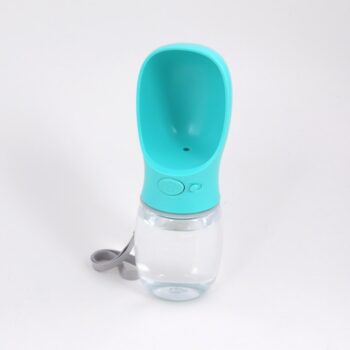
Portable Pet Water Bottle for Walks, Hikes, and Car Trips
Keeping pets hydrated on the go is easier when water can be offered quickly without spills or shared public bowls. A portable pet water bottle combines a reservoir and drinking tray so dogs (and many cats) can sip during walks, park time, hiking, errands, and travel days—helping reduce overheating risk and supporting comfort and recovery after activity.
Why on-the-go hydration matters
Water is more than a convenience outdoors—it’s a key part of keeping your pet comfortable and safer when temperatures rise or activity levels increase. Regular drink breaks can make outings smoother for both pets and people.
- Helps support temperature regulation during warm weather and active play.
- Encourages more frequent sipping on long walks, hikes, and travel days when indoor bowls aren’t available.
- Reduces reliance on communal water bowls that may be dirty or shared by unknown animals.
- Useful for pets that pant heavily, seniors, short-nosed breeds, and puppies that dehydrate faster.
- Makes it simpler to offer small amounts frequently, which can be gentler on some dogs’ stomachs than a large gulp all at once.
For hot-weather outings, it’s also worth reviewing heat safety basics from trusted sources like the American Kennel Club and the ASPCA, especially if your pet is older, short-nosed, or new to longer walks.
How a portable pet water bottle works
Most portable pet water bottles are designed for fast, controlled water access—without having to carry a separate bowl.
- Reservoir stores clean water; a built-in cup/trough collects water for drinking.
- One-hand dispensing lets water flow into the tray; many designs allow unused water to drain back to the reservoir (or be poured out) to reduce waste.
- Leak-resistant seals and locking mechanisms help prevent drips in a backpack, tote, or car door pocket.
- Some models include a strap or carabiner loop for carrying on walks and hikes.
- Best practice: offer brief drink breaks (30–60 seconds) rather than waiting until a pet seems thirsty.
Key features to look for before buying
A good bottle should be easy to use with one hand, simple to clean, and dependable in a bag. The small details—like the lock button and the shape of the drinking tray—often matter most day to day.
- Capacity that matches trip length and pet size (short neighborhood walk vs. long hike).
- Leak protection: secure lock, tight gasket, and a cap that won’t pop open in a bag.
- One-hand operation for easier use while holding a leash.
- Bowl/trough shape that suits muzzle size; wider cups can be easier for larger breeds.
- Food-grade, BPA-free materials and easy-to-clean construction (fewer crevices).
- Backflow/return-water option if the pet drinks only a little at each stop.
- Portability details: weight when full, strap length, and whether it fits cup holders.
Sizing guide: choose capacity by outing type
Picking the right size is about planning for the day’s conditions: how long you’ll be out, how hot it is, how hard your pet will be working, and whether you’ll have refill opportunities.
Quick capacity and feature checklist
| Use case | Suggested capacity | Most helpful features | Notes |
|---|---|---|---|
| Neighborhood walk | Small | One-hand dispense, lock button | Offer a few sips mid-walk in warm weather |
| Dog park / errands | Medium | Leak resistance, easy carry strap | Rinse after contact with sand/dirt |
| Hike / trail day | Medium–Large | Wide trough, backflow, durable build | Pack extra water for heat and elevation |
| Road trip | Medium | Fits cup holder, quick pour, secure lock | Stop every 1–2 hours for hydration breaks |
| Two pets | Large or two bottles | Fast flow, easy cleaning | Prevent sharing if one pet is ill |
Using a portable water bottle without spills
On hot days, plan shorter routes and prioritize shade. If conditions are extreme, consider skipping the outing—heat illness can escalate quickly. General heat guidance from the CDC is a helpful reminder that hydration is only one piece of staying safe in high temperatures.
Cleaning, storage, and safety tips
Recommended travel-ready picks (in stock)
- Portable Pet Water Bottle — a simple, carry-friendly way to offer quick drink breaks during walks, hikes, and car stops.
- 66W 5A Fast Charging Spring Retractable USB Type C Cable – For Car & On-the-Go — handy for keeping a phone charged for maps, trail timing, and travel check-ins during longer days out.
- Mini USB Aroma Humidifier & Essential Oil Diffuser with Soft LED Light — a compact comfort add-on for hotel rooms or dry indoor air during travel days.
Portable Pet Water Bottle: a simple option for daily outings
FAQ
How often should a dog drink water on a walk?
Offer small sips every 15–30 minutes in warm weather or during higher activity, and less often in cool conditions. Watch for heavy panting, slowing pace, and strong thirst cues, and take more frequent breaks when needed.
Can the unused water go back into the bottle?
If the bottle supports return-water, it’s generally fine when the trough stays clean. Discard leftover water if it contacts dirt or sand, or if multiple unknown dogs have drunk from the tray.
How do you clean a portable pet water bottle properly?
Wash with warm soapy water and a bottle brush, rinse thoroughly, and air-dry completely. Pay extra attention to seals and gaskets, and avoid storing the bottle with water inside for long periods.












Leave a comment