


Multifunctional Hair Styler Brush: Smooth, Volumize Fast
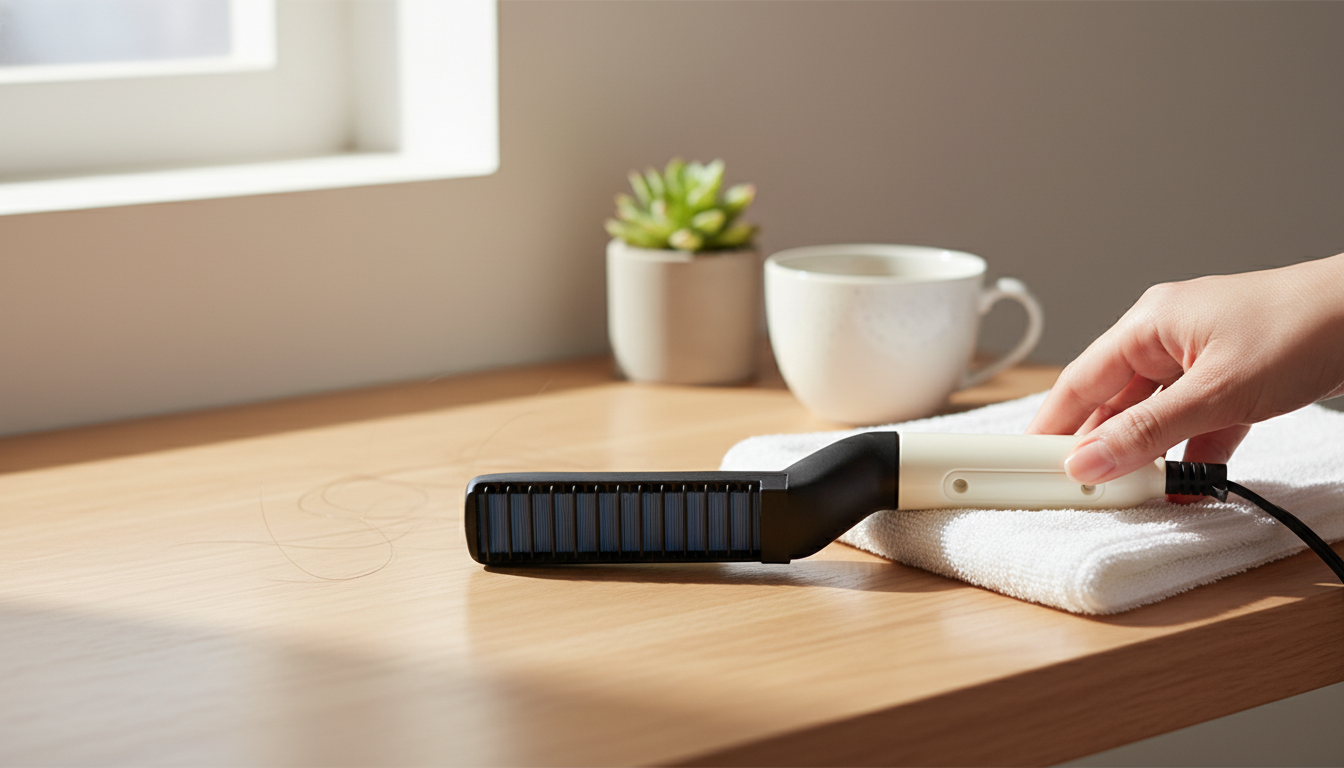
Multifunctional Hair Styler Brush: Quick Smoothing, Volume, and Everyday Styling
A multifunctional hair styler brush can streamline a daily routine by combining detangling, smoothing, and light styling in one tool. The right brush helps create a neater finish with fewer flyaways, adds lift where hair tends to fall flat, and makes it easier to shape ends without juggling multiple tools. Below is a practical guide to what these brushes do best, who they’re ideal for, and how to use them with less frizz and more shine.
What a Multifunctional Hair Styler Brush Does
A styler brush blends brush-based control (tension, direction, sectioning) with styling support that can help smooth the hair surface, guide shape, and encourage a soft “blowout-like” finish. Depending on the design, it may be used with airflow from a dryer, or it may provide heat itself—either way, the goal is similar: more polish with less effort.
- Combines controlled brushing with styling support to help smooth lengths, shape ends, and add lift at the roots.
- Supports common goals: quicker blow-dry styling, frizz control, gentle detangling, and put-together everyday looks.
- Works best with the right prep: towel-dried hair, a smoothing or detangling product, heat protectant (if heat is involved), and simple sectioning.
- Performance varies by build: bristle type, barrel/vent design, handle grip, and any heat settings can change how the brush feels and finishes.
Common Styling Goals and How a Styler Brush Helps
| Goal | How the brush helps | Best practice |
|---|---|---|
| Smoother lengths | Tension and controlled brushing align hair strands | Work in small sections from mid-lengths to ends |
| More volume | Lift at the roots while guiding airflow/shape | Angle upward at roots; finish with a cool-down pass |
| Fewer flyaways | Even distribution and gentle tension reduce static/friction | Use a light serum on ends; avoid over-brushing dry hair |
| Curved ends | Rounded shape and wrist rotation help bend tips | Wrap ends briefly; release before hair overheats |
Who It Works Best For
Most hair types can use a styler brush, but the best experience comes from matching your hair’s texture and density to the brush’s bristles, tension, and (if applicable) heat output.
- Straight to wavy hair: Great for smoothing, refining the surface, and adding a soft bend through the ends.
- Curly or coily hair: Useful for stretching and smoothing when hair is damp and well-conditioned; prioritize gentle detangling and lower heat.
- Fine hair: Look for lighter tools and lower heat options to avoid flattening; focus on root lift and keep passes minimal.
- Thick hair: Benefits from firm bristles and consistent tension; sectioning is essential for even results and fewer repeat passes.
- Chemically treated or color-treated hair: Keep heat moderate, always use protectant, and avoid repeated “touch-up” passes that can dry out the mid-lengths and ends.
How to Use It for a Smooth Blowout Look
A smooth finish is less about pressing harder and more about smart prep, steady tension, and working in manageable sections. If your brush is a non-heated styling brush, pair it with a dryer to direct airflow. If it’s a heated brush, let the tool do the work—slow, controlled passes tend to outperform quick, repeated brushing.
To support a smoother result day-to-day, indoor humidity can matter—especially in dry seasons when static and flyaways spike. A small bedside humidifier like the Mini USB Aroma Humidifier & Essential Oil Diffuser with Soft LED Light can help keep air from feeling overly dry, which often makes hair look frizzier and more electrically charged.
Heat and Hair Health: Practical Safety Tips
Heat styling doesn’t have to be harsh, but it does reward restraint. Dermatologists generally recommend minimizing high heat and avoiding repeated exposure on the same area of hair. For additional guidance, see the American Academy of Dermatology Association’s tips on preventing hair damage (AAD: How to prevent hair damage) and Cleveland Clinic’s overview of preventing heat damage (Cleveland Clinic: How to prevent heat damage to hair).
Care, Cleaning, and Storage
A Simple Option to Try
If the goal is straightforward everyday smoothing, shaping, and quicker styling, a budget-friendly brush can cover the basics well—especially when paired with good prep and consistent sectioning. The Multifunctional Hair Styler Brush is an easy starting point for routines that prioritize a neat finish without extra complexity.
Product Snapshot
| Item | Price | Availability |
|---|---|---|
| Multifunctional Hair Styler Brush | $13.95 | In stock |
For a simple add-on that supports sleeker-looking hair in dry indoor conditions, the Mini USB Aroma Humidifier & Essential Oil Diffuser with Soft LED Light can complement a styling routine—particularly when hair is prone to static and roughness.
FAQ
Can a styler brush be used on wet hair?
It depends on the tool. Many work best on towel-dried or damp hair, and if heat is involved, using a protectant and avoiding soaking-wet sections helps reduce stress on the hair.
How do you reduce frizz when using a styler brush?
Start with a smoothing leave-in and heat protectant (if using heat), then work in smaller sections with steady tension. Finish with a cool setting or cool-down pass and use a tiny amount of serum or oil on the ends.
Is a styler brush safe for fine or damaged hair?
Yes, when used gently: keep heat as low as possible, limit repeat passes, and detangle without forcing through knots. If hair feels overly hot or looks drier afterward, reduce heat and frequency and add conditioning care.











Leave a comment