


Wabi-Sabi Vertical Floor Lamp: Calm Retro Living Room Glow
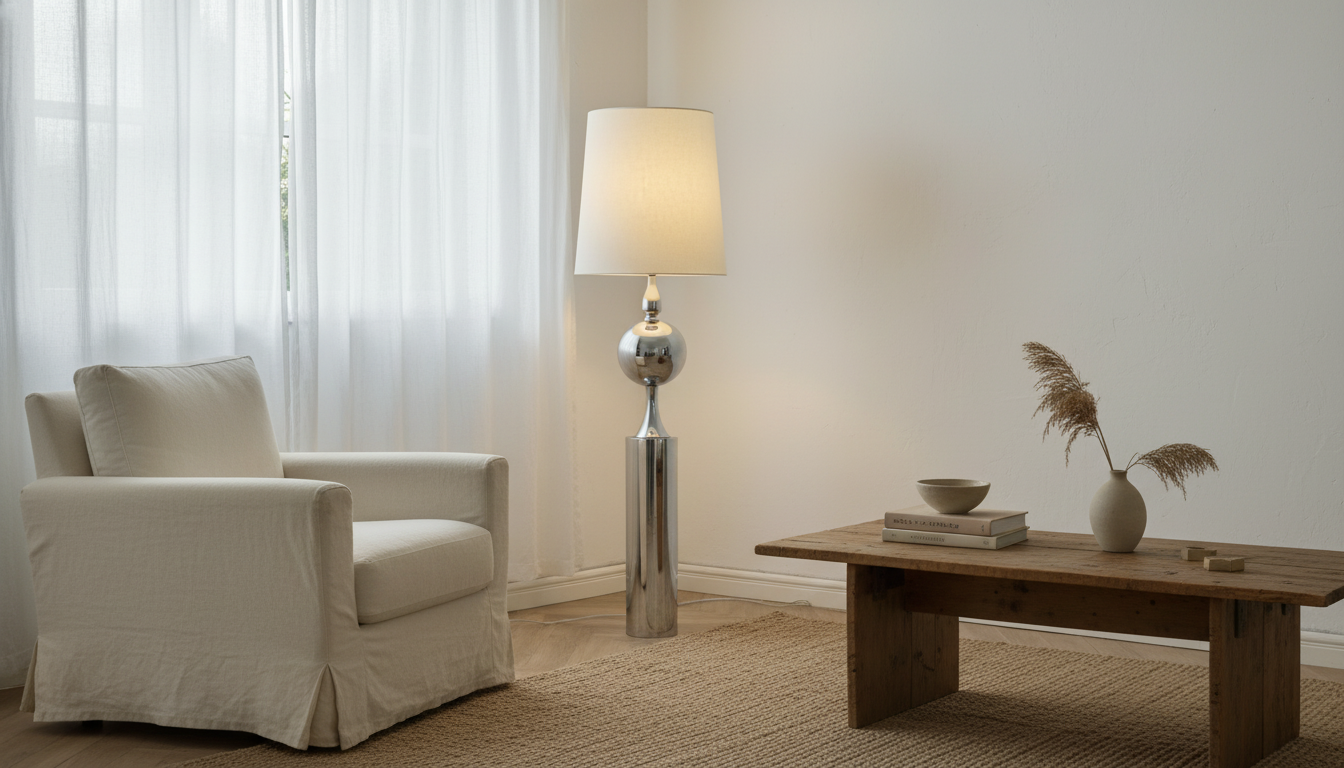
Minimalist Wabi-Sabi Floor Lamp: Retro Vertical Lighting That Feels Quiet and Intentional
A vertical floor lamp with a wabi-sabi, minimalist sensibility brings calm structure to a living room: soft illumination, an unobtrusive silhouette, and a lived-in warmth that complements natural textures. When the main overhead light feels too harsh, a tall, retro-inspired lamp can create a gentle “evening mode” while still keeping the room functional for conversation, winding down, and light tasks.
Below are the core qualities to look for in wabi-sabi-friendly lighting, placement ideas that reduce glare, and bulb tips that help you get that warm, relaxed glow without sacrificing comfort.
What makes wabi-sabi lighting feel calm
Wabi-sabi lighting tends to feel restful because it avoids visual noise and sharp contrast. The goal isn’t to flood a space with brightness, but to shape a softer atmosphere that flatters natural materials and everyday living.
- Simple forms that don’t compete: Clean lines and restrained silhouettes let furniture and texture take the lead.
- Warm, gentle illumination: Softer light reduces harsh shadows and supports relaxed evening routines.
- Natural-looking finishes: Subtle imperfections and tactile surfaces pair easily with wood, linen, stone, and handmade decor.
- Vertical presence with minimal footprint: A tall lamp can define a corner or seating zone without adding clutter or requiring multiple fixtures.
A closer look at the Minimalist Wabi-Sabi Floor Lamp
If your living room needs a calm lighting anchor, the Minimalist Wabi-Sabi Floor Lamp – Retro Vertical Lighting for Living Room offers a retro vertical profile designed to blend into modern, Japandi, and eclectic spaces without feeling overly decorative.
- Retro vertical design: A tall silhouette adds rhythm to a room, especially alongside low seating and wide sofas.
- Flexible role: In smaller rooms, it can serve as a primary ambient layer; in larger spaces, it works best as a secondary glow alongside overhead lighting.
- Natural placement compatibility: It fits near sofas, accent chairs, reading nooks, and console tables where height helps balance the visual weight of furniture.
- Check details as you plan: For specs, current price, and availability, use the product page before choosing bulbs and placement.
To deepen the sense of ritual in an evening corner, consider pairing soft light with subtle scent and humidity. The Mini USB Aroma Humidifier & Essential Oil Diffuser with Soft LED Light layers a quiet, spa-like note into the same zone without adding visual clutter.
Where to place a vertical floor lamp in the living room
Placement determines whether a floor lamp feels soothing or distracting. The best setups keep the brightest area out of direct sightlines and use nearby surfaces (walls, curtains, textured finishes) to diffuse and “spread” the glow.
- Sofa corner: Place the lamp slightly behind the sofa arm to reduce glare while creating a cozy perimeter wash.
- Reading chair: Keep the light source just out of your direct line-of-sight to minimize eye fatigue during longer sits.
- Behind a side table: Let the lamp’s height add depth while tabletop decor stays in the foreground.
- Near curtains or textured walls: Light grazing fabric, plaster, or limewash creates a tranquil layered look.
- Avoid tight walkways: Leave comfortable clearance so the base and cord don’t become a trip hazard.
Placement ideas and the mood they create
| Placement | Best for | Lighting effect | Quick tip |
|---|---|---|---|
| Sofa corner | Evening lounging | Soft perimeter ambience | Angle the lamp so the brightest area faces the wall, not the seating |
| Reading chair side | Light tasks + relaxation | Focused but gentle glow | Use a warm bulb and keep the shade edge above eye level when seated |
| Behind a console table | Entry/living transitions | Depth and silhouette | Pair with a mirror or art to bounce light |
| Empty corner | Balancing the room | Vertical emphasis | Add one textured element nearby (basket, plant) for wabi-sabi warmth |
Choosing the right bulb for comfort and character
The bulb choice is where “minimalist” can become truly comfortable. Aim for warmth, controllable brightness, and low glare, especially if the lamp will be on for long stretches in the evening.
- Warm color temperature: For a cozy, serene tone, 2700K–3000K is a common sweet spot that complements wood and textiles.
- Brightness planning: Consider room size and function. Ambient-only use may need fewer lumens than a lamp expected to support reading.
- Dimming flexibility: If the lamp and bulb support dimming, it’s easier to shift from hosting to quiet nighttime calm without changing fixtures.
- Glare control: Frosted bulbs tend to feel gentler than clear bulbs, especially when the lamp is within your peripheral vision.
- Energy use and heat: LEDs provide warm light with lower heat and reduced power consumption; ENERGY STAR offers a practical overview of efficient bulb options at ENERGY STAR Lighting.
For deeper lighting guidance and best practices, the Illuminating Engineering Society (IES) is a respected industry resource that covers how light affects comfort and visibility across spaces.
Styling ideas that fit minimalist, retro, and wabi-sabi spaces
Care, safety, and everyday use
FAQ
Is a vertical floor lamp bright enough for a living room?
It can provide strong ambience for small-to-medium living rooms, especially when placed near a wall or corner to help spread light. In larger rooms, layering with ceiling lighting or a table lamp usually creates a more balanced result, and choosing an appropriate lumen output makes a noticeable difference.
What bulb color works best for a wabi-sabi look?
Warm white bulbs, often in the 2700K–3000K range, tend to create the soft, calm glow associated with wabi-sabi spaces. Frosted bulbs and dimming can further reduce glare and keep the room feeling serene.
Where should a floor lamp be placed to avoid glare on the sofa or TV?
Place it slightly behind seating and aim the brightest area toward a wall rather than directly toward the sofa or screen. Keeping the light source out of direct sightlines (and adjusting angle or position as needed) helps minimize distracting reflections and hotspots.










Leave a comment