


Modern Deep Seat Sofa Guide: Depth, Comfort, Style
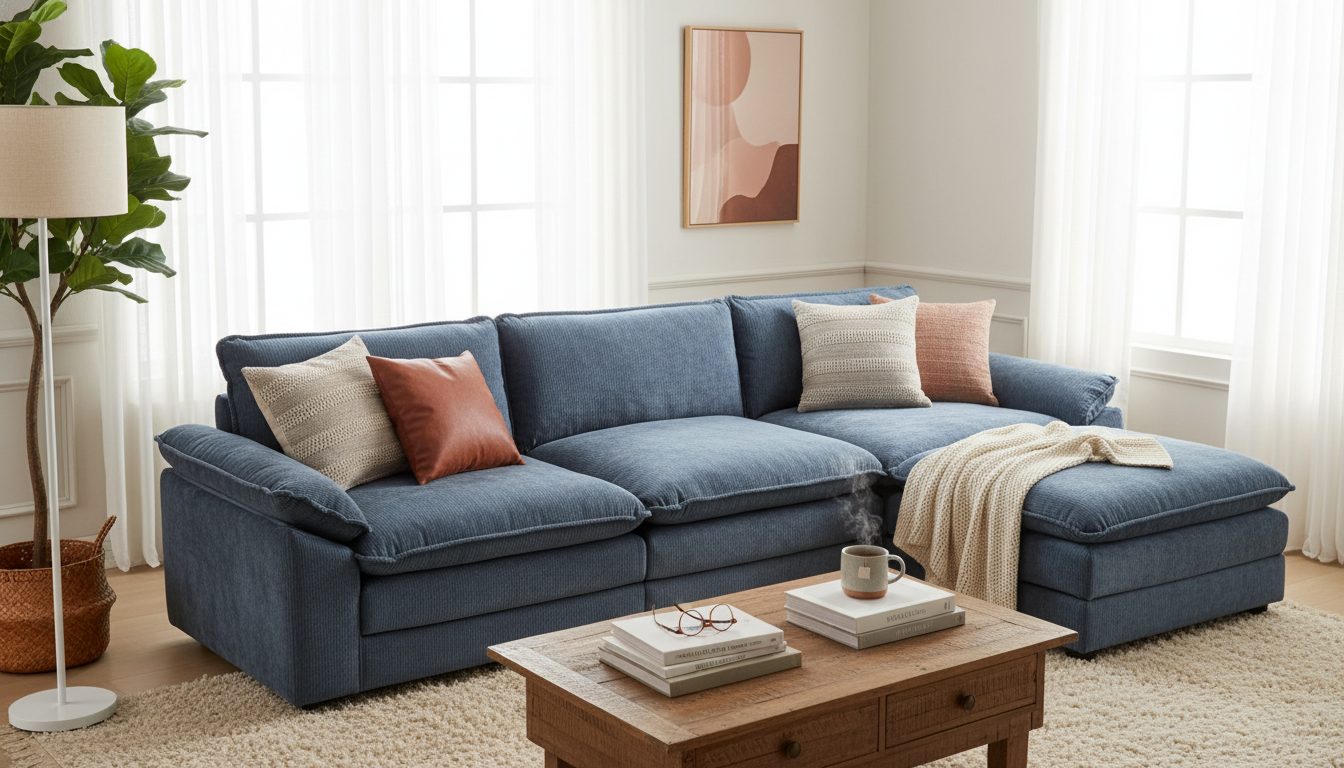
Modern Deep Seat Sofa: Comfortable Lounging With Clean Lines
A deep seat sofa can change how a living room feels: more lounge-ready, more relaxed, and often more versatile for movie nights, reading, or stretching out. Modern versions keep that laid-back comfort while adding crisp silhouettes, tailored cushions, and materials that suit contemporary interiors. The key is matching the seat depth, firmness, size, and upholstery to how the sofa will actually be used day to day.
What Makes a Deep Seat Sofa Feel Different
The most noticeable difference is posture freedom. With extra front-to-back space, a deep seat makes it easier to sit cross-legged, tuck your legs up, or recline without needing a chaise. It can also make a standard three-seat sofa feel closer to a “lounge piece” than a formal sitting-room anchor.
That said, comfort isn’t determined by depth alone. Seat depth, cushion firmness, and back support work as a system. A deep seat with firm cushions and a supportive back can feel structured and stable, while the same depth with plush fill and a softer back can feel sink-in cozy (and sometimes too relaxed without extra pillows).
In modern styling, deep seats are often balanced by cleaner arms, slimmer frames, and more tailored cushions. That combination helps prevent the sofa from looking oversized, even when it’s built for sprawling.
How to Choose the Right Depth and Height
Seat depth: lounging vs. upright sitting
Deeper seats generally suit lounging best, especially for households that use the sofa as a primary spot for TV, reading, and weekend naps. Standard depths tend to feel better for upright sitting, frequent get-togethers, or shorter users who want feet firmly on the floor.
Seat height: ease of standing vs. laid-back comfort
Seat height changes the “effort” of the sofa. A slightly higher seat can make standing up easier and can feel more supportive for everyday sitting. A lower seat height leans more lounge-like and casual, but may feel too low for some users or for rooms where the sofa is used more like a chair.
Back cushion style: tidy vs. relaxed
Loose back cushions can add softness and let you adjust the feel (including stacking cushions for extra lumbar support), but they often need occasional fluffing to keep a neat shape. Tight backs look tailored and stay tidy with less effort, though they can feel firmer and less adjustable.
Match the build to the main use
If the sofa will host conversation and TV, a medium-deep seat with supportive back cushions often hits the sweet spot. If it’s primarily for naps and sprawling, go deeper with plusher cushioning, and plan on adding lumbar pillows to fine-tune posture.
| User preference | Typical seat depth feel | Best for | Trade-offs to note |
|---|---|---|---|
| More upright posture | Standard to medium depth | Conversation, dining-at-the-sofa, shorter legs reaching the floor | Less room to curl up without adding ottomans |
| Balanced sit + lounge | Medium-deep | Everyday living rooms, mixed households | May still need extra pillows for very upright sitting |
| Maximum lounging | Deep | Movie nights, napping, sprawling | Some users may need lumbar pillows; feet may not reach the floor comfortably |
How to Choose: A Quick Checklist Before You Buy
When stock varies or you’re deciding between multiple modern deep seat sofas, a short checklist helps narrow options quickly:
- Primary use: upright hosting, everyday mixed use, or maximum lounging.
- Who uses it most: consider height differences, mobility needs, and whether kids or pets treat it as a play zone.
- Preferred feel: supportive (foam-forward) vs. plush (down/fiber blends) and how much maintenance you’re comfortable with.
- Room constraints: overall sofa depth and width, plus clearance for walking paths, doors, and coffee table spacing.
- Care needs: cleaning codes, removable covers, and whether the fabric is designed for spills and daily wear.
Sizing a Modern 3-Seat Sofa for the Room
Start with the room, not the sofa. Measure the wall where the sofa will sit, then map out walking paths. Keep clearances for doors and hallways so the room still functions when the sofa is in place. Deep seat designs can push farther into a room than expected, especially when paired with thick back cushions.
Cushion Feel: Soft vs. Supportive (and How It Changes Over Time)
For general durability guidance, furniture performance standards are often discussed at the industry level; an overview is available through ANSI/BIFMA furniture performance standards.
Upholstery and Care: Choosing a Practical Modern Fabric
If leather is under consideration, it helps to understand labeling and terminology before comparing options. The Federal Trade Commission’s Leather Guide is a helpful reference for evaluating leather terms.
Modern Styling Tips for a Deep Seat Sofa
Delivery, Assembly, and Placement Checks
FAQ
Is a deep seat sofa comfortable for shorter people?
It can be, but very deep seats may feel too reclined if your feet don’t reach the floor comfortably. A medium-deep seat, an ottoman, and lumbar pillows can help create better support and a more upright option when needed.
What seat depth is best for lounging vs. everyday sitting?
Standard to medium depths tend to work best for upright, everyday sitting, while deeper seats are better for curling up, movie nights, and naps. Cushion firmness and back support can make a deep seat feel structured or ultra-relaxed, so consider the full build—not just the depth.
How can a deep seat sofa look modern instead of bulky?
Look for streamlined arms, visible legs, and tailored cushions to keep the silhouette clean. Lighter or mid-tone fabrics, plus balanced styling with appropriately scaled tables and lighting, also helps a deep sofa read modern and intentional.










Leave a comment