


King 12″ Cooling Gel Memory Foam Mattress Buying Guide
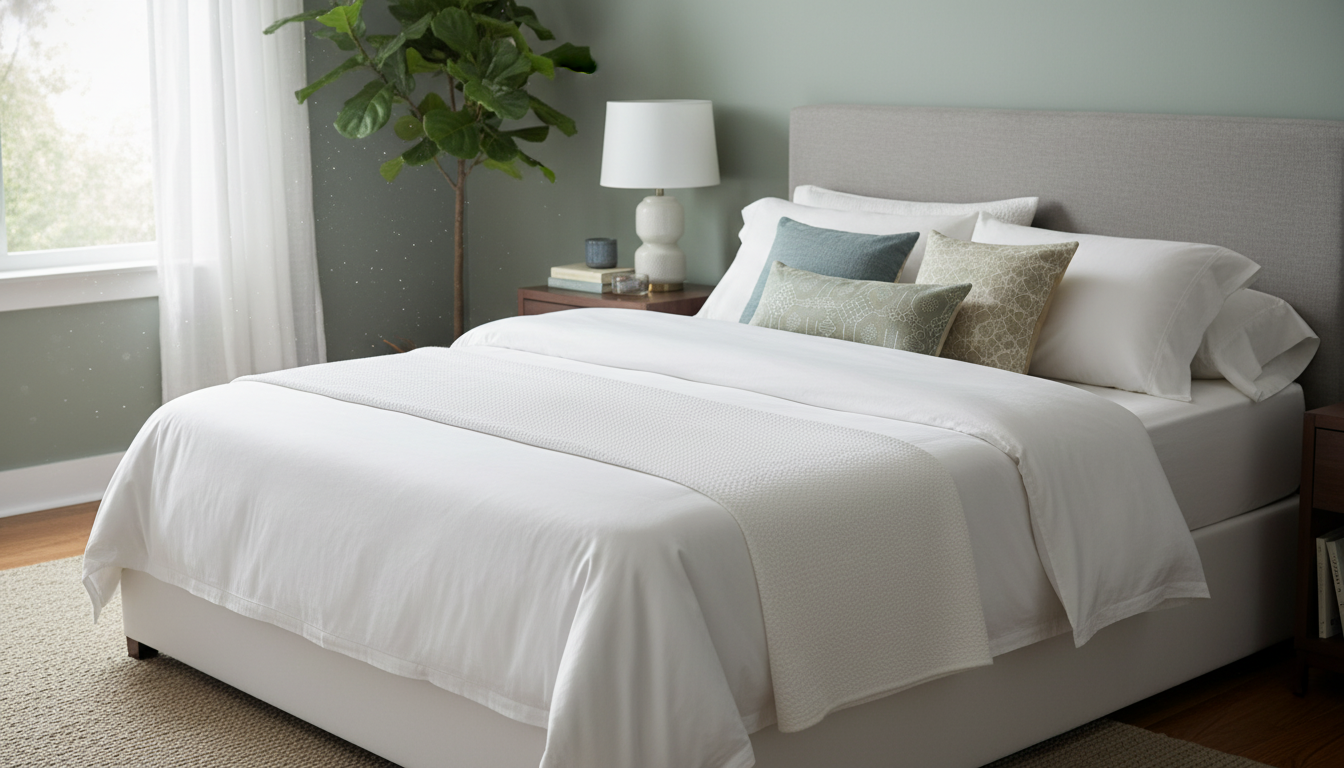
King Size 12 Inch Cooling Gel Memory Foam Mattress: Comfort, Temperature, and Support
A king size 12-inch cooling gel memory foam mattress is built to deliver pressure relief, quieter motion, and a cooler surface feel than older-style memory foam. That said, comfort isn’t one-size-fits-all: sleep position, body weight, room temperature, and whether a slow-melting “hug” or a quicker response feels better will shape the right choice. With a king size, the added space can also make a noticeable difference for couples who share the bed but not the same sleep habits. For more guidance, see Does Gel Memory Foam Really Sleep Cool?.
What a 12-Inch Gel Memory Foam Build Typically Feels Like
Most 12-inch all-foam beds combine a softer comfort layer (often gel-infused memory foam), a transition layer that prevents bottoming out, and a denser support base. The result is a feel that many sleepers describe as adaptive and “cradling,” especially compared with traditional spring mattresses. For further reading, see Sleep Innovations Marley Queen 10 Inch Cooling Gel Memory Foam.
- Contouring comfort: Memory foam redistributes pressure at common hot spots such as shoulders, hips, and the lower back, which can be helpful for people who wake up sore or stiff.
- Slower response: Compared with latex or many hybrids, memory foam usually rebounds more slowly, creating a steadier, more held-in sensation that can reduce tossing and turning.
- Balanced depth: At 12 inches, comfort layers are often thick enough to feel plush on top while still allowing a stable base layer to support most sleepers—assuming the base foam is appropriately dense.
If “stuck-in-the-bed” is a concern, look for a design that blends memory foam with a slightly more responsive transition layer, or choose a medium-firm feel rather than ultra-plush.
Cooling Features and What They Can (and Can’t) Do
Cooling gel is commonly infused into foam to help absorb and disperse heat near the sleep surface. Many mattresses also use breathable covers and more open-cell foam structures to improve airflow compared with older, denser foams. Even with these upgrades, temperature performance still depends heavily on the sleep environment and bedding choices.
- Gel infusion: Can reduce heat buildup at the surface, especially during the first part of the night.
- Cover and foam breathability: A breathable knit cover and less-restrictive foam structure can help heat escape instead of lingering around the body.
- Room and bedding effects: Thick comforters, flannel sheets, and non-breathable protectors often overwhelm the mattress’s cooling features by trapping warmth and humidity.
| Feature | Why it matters | What to look for |
|---|---|---|
| Gel infusion | Can reduce heat buildup near the surface | Gel-infused comfort layer; not just gel in the base foam |
| Cover fabric | Affects initial cool-to-touch feel and moisture management | Breathable knit; moisture-wicking; removable if possible |
| Foam structure | Open-cell foams often sleep cooler than very dense foams | Ventilated or open-cell descriptions; airflow channels |
| Bedding choices | Often the biggest driver of sleeping hot | Breathable protector; cotton/linen sheets; lighter comforter |
For a deeper overview of how memory foam is designed and why some models sleep warmer than others, see Sleep Foundation’s memory foam mattress guide.
Support and Spinal Alignment for Different Sleep Positions
Comfort is only half the equation—support and alignment determine how your back and joints feel the next morning. With memory foam, the goal is contouring without letting heavier areas sink too far.
Motion Isolation, Edge Support, and Couples’ Comfort
How to Choose the Right Size and Thickness
| Decision point | Best choice if… | Watch out for… |
|---|---|---|
| Room size | You have space to walk around the bed comfortably | Crowding the room can make a king feel impractical |
| Sleep temperature | You use breathable sheets and prefer lighter bedding | Non-breathable protectors can negate cooling features |
| Sleep position | Side/back sleepers want contouring with support | Stomach sleepers may need a firmer model |
| Partner movement | You want minimal motion transfer | Very plush foams can feel harder to change positions on |
| Base/foundation | You have a supportive platform or compatible adjustable base | Wide slat gaps can cause sagging and void warranties |
For shoppers who prioritize materials and emissions standards, certifications such as CertiPUR-US can be a useful checkpoint when comparing foam options.
Setup, Off-Gassing, and Care
FAQ
Is a 12-inch gel memory foam mattress supportive enough for adults?
It can be, as long as the base layer is dense and supportive and the overall firmness matches your body weight and sleep position. Many adults do well on a 12-inch build, while heavier sleepers often benefit from firmer designs or higher-density foams for better long-term stability.
Does cooling gel stop a memory foam mattress from sleeping hot?
Cooling gel can help reduce heat buildup near the surface, but it doesn’t override everything else. Room temperature, airflow, sheets, comforters, and the breathability of any mattress protector can have an even bigger impact on how warm the bed feels.
How long should a boxed memory foam mattress air out after delivery?
Plan for the mattress to expand over about 24–72 hours, and ventilate the room during that time. Any initial odor typically fades within a few days, though the exact timeline depends on the foam and your room’s airflow.











Leave a comment